Individual problems of sustainability are rarely simple. The complex interactions among society, the economy, and the environment require solutions that cross boundaries and involve creative, innovative thought. Interdisciplinary problem solving is more and more the way science and engineering problems are solved.

Minors are 21 credit sequences of courses that appear on a student’s transcript indicating that the student has knowledge and skills in the minor subject. The sustainability minors are all interdisciplinary in nature – meaning students will take course from different colleges to gain a deeper understanding of complex issues regarding our interaction with the planet and each other. Generally, courses can count for both major requirements and minor requirements, reducing the number of courses specifically required to complete the minor.

FOR MORE INFORMATION

Email [email protected]

For Minors in Global Environmental Sustainability, Sustainable Energy Minor, and Sustainable Water Interdisciplinary Minor, contact Dr. Dale Lockwood, SoGES Academic Advisor.

To schedule a virtual appointment, click here – 15 minute virtual meeting

For Climate Change Studies Minor and Climate Change and Society Certificate, contact Dr. Sarah Badding, Assistant Director of Education and Development.

To schedule a virtual appointment, click here – virtual meeting.

earth from above city scape

GLOBAL ENVIRONMENTAL SUSTAINABILITY MINOR

The School of Global Environmental Sustainability is proud to offer an interdisciplinary minor in Global Environmental Sustainability. The GES Minor offers students in every department a curriculum that enhances their major with an understanding of the issues of sustainability and provides students with the tools to bring sustainability into their career paths.

The GES minor is a 21-credit sequence with course offerings from 25 different subject codes across all eight colleges, providing depth in learning and allowing students to tailor coursework to augment their interests. The minor provides a deep understanding of the complexity surrounding the problems we face and the solutions that we need to implement to address climate change, biodiversity, pollution, public health, oceans, food security and development on a global scale.

Download GES check sheet

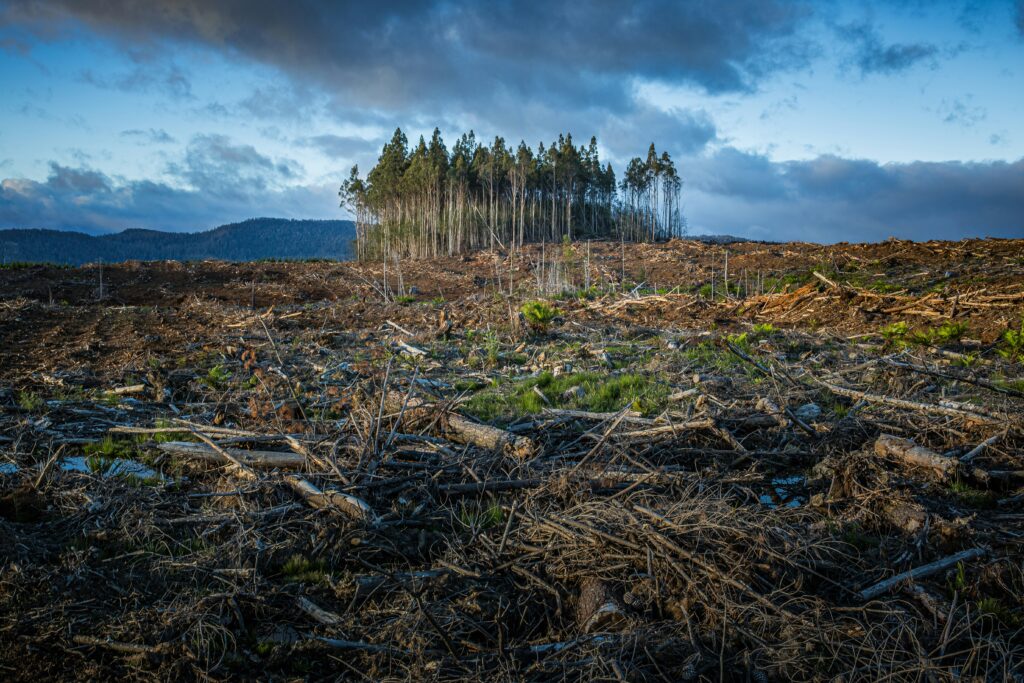
grove of trees grow among burn area

CLIMATE CHANGE STUDIES MINOR

Students who complete this minor will gain an understanding of the implications of climate change on both biophysical and social systems, developing an awareness of climate change science, mitigation, and adaptation strategies relevant to their major discipline.

Students will complete courses that inform: 

  • What is climate change, why is it now a serious problem, and what can we do about it? 
  • What are the key responses and feedbacks of earth systems to climate change? 
  • What are the key issues for understanding how groups of people respond to and are affected by climate change? 

Download CCS check sheet

riverbed rocks

SUSTAINABLE WATER INTERDISCIPLINARY MINOR

Issues surrounding water supply, water quality, and ecological water relationships are increasingly important as population growth continues and water uses multiply. The complexity of these issues, and competition among various water users, demands that students interested in pursuing careers in water gain a broad introduction to the issues while specializing within a particular discipline. CSU has considerable water resource expertise in many academic fields.

The Sustainable Water Interdisciplinary Minor (SWIM) offers undergraduate students, regardless of their major, an opportunity to gain a deeper knowledge of the many dimensions of water management. SWIM students will complete 21 credits (minimum of 12 upper-division) in core and elective courses that are particularly relevant to today’s water manager. Completion of the program is certified on the student’s academic record.

Download SWIM check sheet

solar panels in a field

SUSTAINABLE ENERGY MINOR

The minor provides students with the skills and knowledge necessary to understand the challenges and opportunities in the transition to a sustainable energy future. Providing society with energy in a sustainable way requires a broad understanding of technical, environmental, and social science issues. The courses in the minor span multiple colleges and cover physics, life sciences, engineering, sociology, and political science.

Program learning objectives

Upon completing this program, a successful student will be able to understand:

  • Fundamental concepts of energy, including energy quantities, units, conversion, and efficiency
  • How to describe the science underlying each of the major energy sources
  • The environmental impacts of producing and consuming energy
  • How to evaluate the sustainability of energy resources

Download Energy minor checksheet

CLIMATE CHANGE AND SOCIETY CERTIFICATE

Students enrolled in this certificate will be introduced to the major implications of climate change on people and earth systems with the purpose of building a person’s climate change literacy, empowering them to reduce impacts of climate change, and giving students awareness of climate change mitigation/adaptation strategies to bring to their workplaces.

Download Climate Change and Society checksheet