Guest Post by Lexi Firth, 2024-2025 Sustainability Leadership Fellow and Postdoctoral Fellow in the Department of Soil and Crop Sciences at Colorado State University
 Soil is more than just dirt beneath our feet; it’s a dynamic, living system that plays a crucial role in supporting our food systems, clean water, and the resilience of our communities. Recently, there’s been a surge of interest in soil carbon as a tool to combat climate change, leading to the rise of carbon incentive programs and markets where farmers are financially rewarded for storing carbon in their soils or for increasing soil carbon content. These markets have emerged partly in response to more extreme weather events, as companies seek ways to derisk their operations and sell their products as “green.” Soil carbon became a focal point of this conversation because it represents the largest store of terrestrial carbon, and agriculture covers roughly one-third of our global terrestrial land. However, the methods we use to measure and model soil carbon are still evolving, and the variability in our estimates can be quite significant, changing across different regions, conditions, and methods used.
The Challenges and Complexities of Measuring Soil Carbon Sequestration
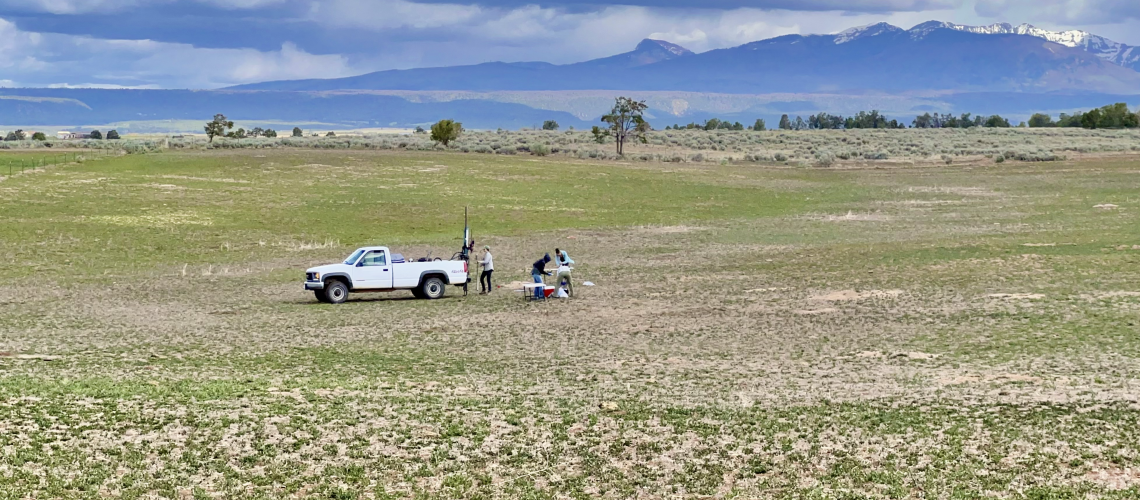
Carbon sequestration seems straightforward: plants absorb carbon dioxide from the atmosphere through photosynthesis, and some of that carbon is incorporated below ground through interactions with microbial communities and as plants decompose. Practices like no-till farming, cover cropping, and rotational grazing aim to enhance this process, with the potential to create benefits for both farmers and the environment. By adopting these practices, farmers may improve soil fertility, reduce erosion, and increase productivity, which can benefit them economically. However, achieving these outcomes is often more complicated than it sounds. These practices require changes to traditional farming methods, and success can vary widely depending on local conditions and careful, context-specific management. Additionally, soil carbon stocks can vary greatly across a landscape or even within a single field, depending on factors like soil type, climate, and management practices. This complexity makes it challenging to predict and measure soil carbon accurately, which is crucial for understanding its true impact. It is even more challenging in rangelands, which have significant potential for carbon sequestration but also exhibit considerable soil carbon variability.
To make it more complex, variability can also be introduced by the methods we use to measure it. For example, common soil lab processing methods can lead to variability in measurements within a single soil sample, resulting in potential errors in soil carbon estimates. This is particularly concerning when it comes to reporting results, determining payments to farmers, and crediting carbon to a market. Overestimating carbon can lead to inflated claims about climate change mitigation, while underestimating it could mean farmers aren’t fairly compensated. Who wins or loses in these scenarios has significant implications for the credibility of carbon programs and their true impact on climate change.
The True Value of Looking Beyond Carbon for Healthy Soils
Soil health is about the entire system working together. Healthy soils retain water, support nutrient cycling, and foster diverse microbial communities that keep the system resilient and productive. While carbon is a vital component of a functioning soil ecosystem, the concept of soil health is linked to additional broader ecosystem outcomes that are important for societal well-being, such as water conservation, drought and weather resilience in the face of a changing climate, and biodiversity. These outcomes are essential not only for the stability and functionality of the agroecosystem but also for supporting healthy communities and resilient environments.
Measuring soil health means looking at things like how well the soil holds water, the amount of organic matter, and the activity of microbes. These indicators help us get a full picture of how healthy the soil is and point out where improvements are needed. These measurements bring real potential for immediate benefits for both farmers and the environment, while also making it easier to measure the value of incentive programs more accurately. By focusing less on carbon alone and more on these broader system health indicators, we could unlock a more holistic approach to nurturing soil health that benefits ecosystems and sequesters carbon in the process.
 But soil health isn’t just about agricultural outcomes, it’s also deeply connected to the ecosystem services that sustain our communities. Healthy soils contribute to food security, clean water, and climate resilience, benefiting everyone from rural farmers to city dwellers. Imagine healthier soils leading to better food on your table, cleaner water in your tap, and communities that can withstand the impacts of a changing climate. When we start seeing soil as an essential part of our collective well-being, the movement towards healthier soils becomes an exciting opportunity for everyone to get involved. For example, consumers can support farms that prioritize soil health, urban dwellers can advocate for initiatives that support urban agriculture, and educators can integrate soil science into school programs to inspire the next generation.
Conclusion
Soil carbon sequestration holds incredible promise in the fight against climate change, but it’s important to recognize that soil is more than just a carbon sink. It’s a complex, interconnected system that supports life in countless ways. By expanding our view beyond just carbon outcomes, we can discover more effective strategies that foster healthy agricultural systems, enhance ecosystem services, and genuinely contribute to a more resilient future. So, let’s keep funding studies looking at soil carbon, but let’s also put emphasis on understanding the entire living soil ecosystem.