Guest Post by Chika Winnifred Agha, 2024-2025 Vice President for Research Fellow and Ph.D. Candidate in the Department of Civil and Environmental Engineering at Colorado State University
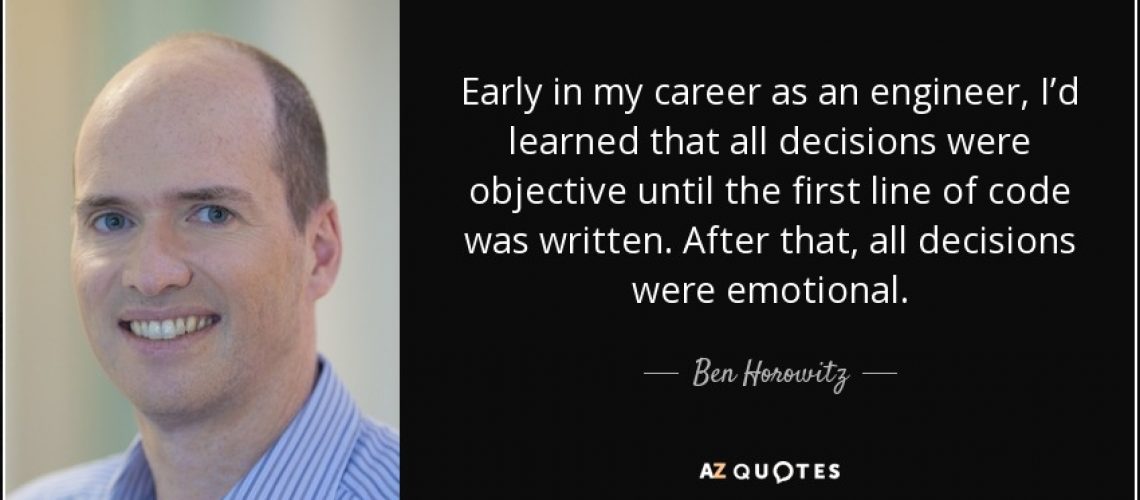
Ben Horowitz’s quote perfectly captures the shift that occurs once theory meets with reality. A true moment engineers are bound to encounter as they transition from the classroom to professional practice. In that moment of reality, young engineers begin to understand that technical decisions are rarely made in a vacuum. They’re shaped by emotion, obligation, discipline, social responsibilities, priorities, mentorship, pressures, urgency, context, collaboration, ethical considerations, stakeholder interests, environmental impact, and experience, among others. Understanding this phase and preparing for it is what defines the early engineering career.
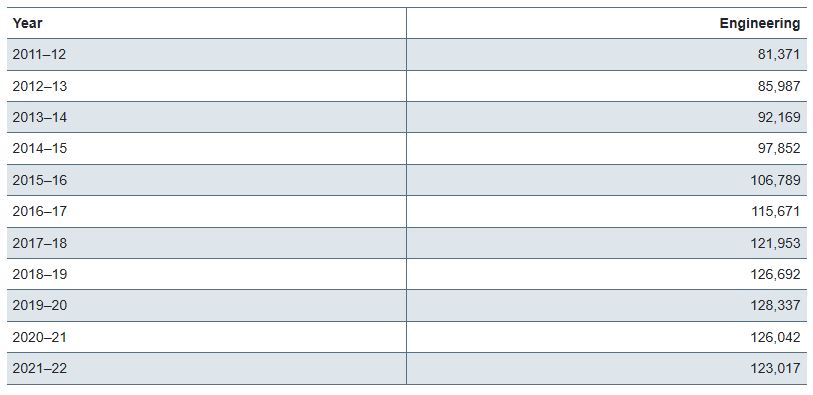
According to the National Center for Education Statistics (NCES), degree-granting post-secondary institutions in the United States conferred 123,017 bachelor’s degrees in engineering during the 2021–2022 academic year
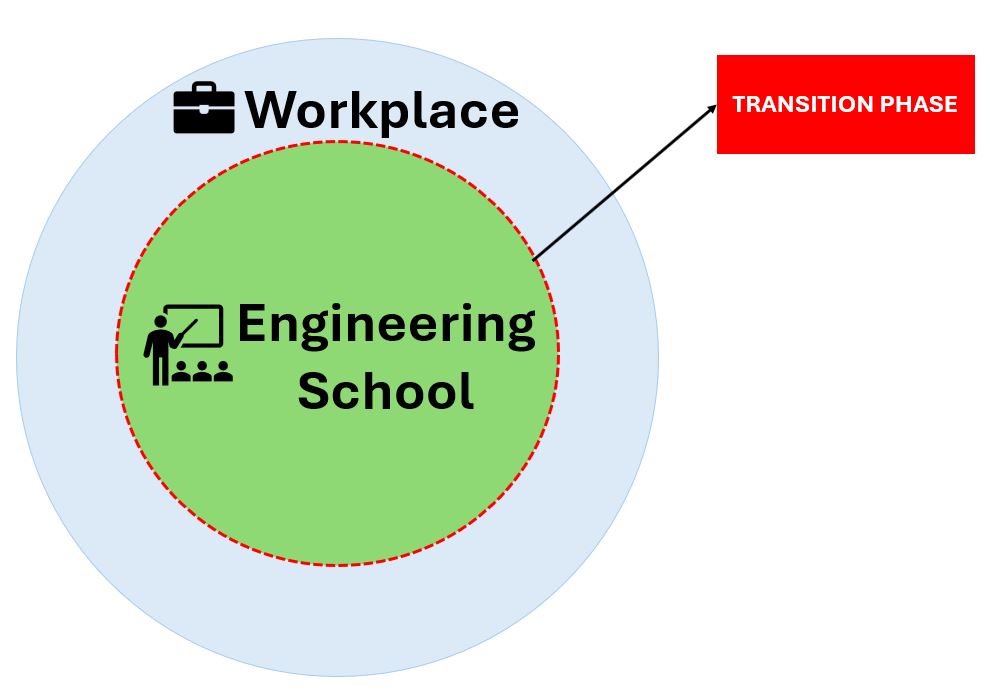
While undergraduate education lays the foundation for technical knowledge, the most significant professional development often occurs in the early stages of an engineer’s career. It is during this transition into the workforce that early career engineers shift from addressing technical challenges in academic settings to navigating complex, real-world constraints that demand not only technical expertise but also non-technical skills like communication skills, interdisciplinary collaboration, etc.
Why early career engineers?
Early career engineers represent the pulse of innovation for any nation. This set of engineers brings new energy into organizations that must constantly adapt to change. Their ability to quickly absorb new tools, technologies, and methodologies allows them to become change agents in any organization. However, these formative years shape their professional ethics, technical confidence, leadership roles, etc. An engineer who is nurtured early in their career is more likely to grow into someone who not only builds great systems but also leads teams and champions responsible decision-making. Over the years, engineering has traditionally focused on technical mastery such as complex equations, design, load calculations, algorithms, etc., which does not fully reflect the true reality of the workplace. As modern engineers, they work in teams, communicate their projects to technical and non-technical personnel, manage time efficiently, consider the social or environmental implications of their projects, take into consideration the life cycle of materials, and even be systems thinkers. Truly, technical skills will get you started, but non-technical skills may sustain the career. These non-technical skills include project management, ethical responsibility, emotional intelligence, stakeholder engagement, conflict resolution, self-efficacy, cross-cultural awareness, etc.
Why does the transition phase matter?
The bridge between university and industry is often narrow and shaky. There is a growing concern within the American engineering community about the persistent gap between the skills engineering students acquire in school and the competencies required to thrive in today’s dynamic workplace. Scholars argue that engineering education must improve to better reflect the realities of modern engineering practice (Brunhaver et al., 2018). Many engineering graduates are well-versed in theory but underprepared for client demands, work dynamics, regulatory constraints, iterative development, and the reality that solutions evolve as fast as problems do. This transition period is where confidence is built or lost. Support through mentoring, hands-on learning, and structured onboarding is critical to help early career engineers apply their knowledge, learn from mistakes, and grow into their roles. Ignoring this phase risks disengagement, burnout, missed potential, and lack of retention. Embracing it builds a resilient and competent workforce beneficial to nation-building.
Early career engineers face ethical challenges in their workplace, as shown by various research works (Bielefeldt and Canney, 2016; Adams, 2020; Rottmann et al., 2021; Stepback et al., 2023). A recent study by Agha et al. (2024) sheds light on a pressing issue often overlooked in conversations about the transition phase in the engineering profession: the ethical and equity-related challenges early-career engineers face in the early stage of professional practice. Their research found that these dilemmas are not isolated incidents but rather the result of a complex interplay between factors rooted in engineering education, workplace structures, and individual personalities. For instance, the study highlights how the values and ethical foundations instilled during engineering school can either empower or hinder engineers when confronting real-world ethical conflicts. Likewise, workplace structures can limit an engineer’s ability to speak up or advocate for equitable practices. Also, personal attributes like confidence further influence how these young professionals navigate challenging situations.
Who benefits from engineers’ work?
Everyone benefits from engineers’ work because they design the systems that shape our lives: clean water, road network, buildings, reliable energy, life-saving devices, medical equipment, and the technology we use every day. Engineers work ripples outward improving the quality of life, driving economic growth, advancing technology, and addressing global challenges like climate change, public health, cybersecurity, etc. When early career engineers are supported, their success doesn’t stop at personal achievement; it is beneficial to society. A well-prepared engineering workforce is a strategic asset to any nation, because it means technological leadership, economic resilience, and the ability to tackle national priorities such as infrastructure modernization and digital transformation.
A question most people will ask is: How can this gap be bridged?
Researchers in this field suggest ways to improve the transition phase.
Kim et al. (2020) suggest, partnerships between academia and industry can offer powerful opportunities to expose engineering students to real-world ethical challenges. By working together, universities and industry leaders play an important role in equipping early-career engineers with the practical insights and ethical grounding needed. Omur-Ozbek et al. (2024) offer a powerful tool for engineering ethics education. By presenting real-world case studies and discussion questions, their work equips educators and students to foster critical thinking and ethical awareness in the classroom. A resource that is helpful for the preparation of early-career engineers.
Early career engineers’ development is not a luxury, it is a necessity. And by embracing the spirit of Ben Horowitz’s insight, we recognize that engineering is as much about people and purpose as it is about numbers and code.
References
Adams, T. L. (2020). ‘This happens all the time’: Organizations, rationalization and ethical dilemmas in engineering. Work, Employment and Society, 34(6), 985-1003. https://doi.org/10.1177/0950017020902968
Agha, C. W., Atadero, R., Omur-Ozbek, P., Scalia IV, J., & Most, D. (2024). Ethical and equity challenges in engineering: A reflexive thematic analysis of early-career engineers’ workplace experiences. ProQuest. https://hdl.handle.net/10217/239771
Bielefeldt, A. R., & Canney, N. E. (2016). Perspectives of engineers on ethical dilemmas in the workplace. In 2016 ASEE Annual Conference & Exposition, New Orleans, Louisiana. https://doi.org/10.18260/p.25892
Brunhaver, S. R., Korte, R. F., Barley, S. R., & Sheppard, S. D. (2018). Bridging the gaps between engineering education and practice. In R. Freeman & H. Salzman (Eds.), U.S. Engineering in a Global Economy (pp. 129–163). University of Chicago Press. http://www.nber.org/chapters/c12687
Kim, D., Jesiek, B. K., Zoltowski, C. B., Loui, M. C., & Brightman, A. O. (2020). An academic-industry partnership for preparing the next generation of ethical engineers for professional practice. Advances in engineering education.
Omur-Ozbek, P., Atadero, R. A., Hedayati Mehdiabadi, A., Agha, C. W., & Duenninger, C. (2024). Navigating Ethical Dilemmas in Civil and Environmental Engineering: Ethical Case Studies Based on Experiences of Early-Career Engineers. In 2024 ASEE Annual Conference & Exposition. DOI:10.18260/1-2–47793
Rottmann, C., Moore, E., Chan, A., & Radebe, D. (2021). Who can I turn to? Engineers navigating ethical dilemmas at work. In 2021 IEEE International Symposium on Ethics in Engineering, Science and Technology (ETHICS), (pp. 1-5). IEEE. https://doi.org/10.1109/ETHICS53270.2021.9632801
Stepback, L., Zoltowski, C. B., Claussen, S., Jesiek, B. K., & Aubeneau, E. (2023). Identifying critical incidents related to ethics among early-career engineers. In 2023 IEEE Frontiers in Education Conference (FIE), (pp. 1-7). https://doi.org/10.1109/FIE58773.2023.10343226
 Chika Winnifred Agha is a Ph.D. candidate in the Department of Civil and Environmental Engineering at Colorado State University. Her research focuses on the professional development of early-career engineers, with particular attention to the challenges they face during the transition from academic preparation to professional practice. Her work addresses the often-neglected gap between the educational preparation engineers receive and the real challenges they face in professional practice.
She holds a Bachelor of Engineering (B.Eng.) in Civil Engineering from Nigeria and earned her Master’s degree in Civil Engineering from Colorado State University, where she is currently pursuing her doctoral studies. She was a 2023-2024 Fellow at the Colorado Water Center and is currently a Vice President for Research Fellow at Colorado State University.